Muscle & Joint Pain Care
Relieving persistent aches, optimizing whole-body kinetic chain movement, and breaking the pain-inactivity cycle through comprehensive physiotherapy in Swabi.

The connected nature of muscle and joint pain
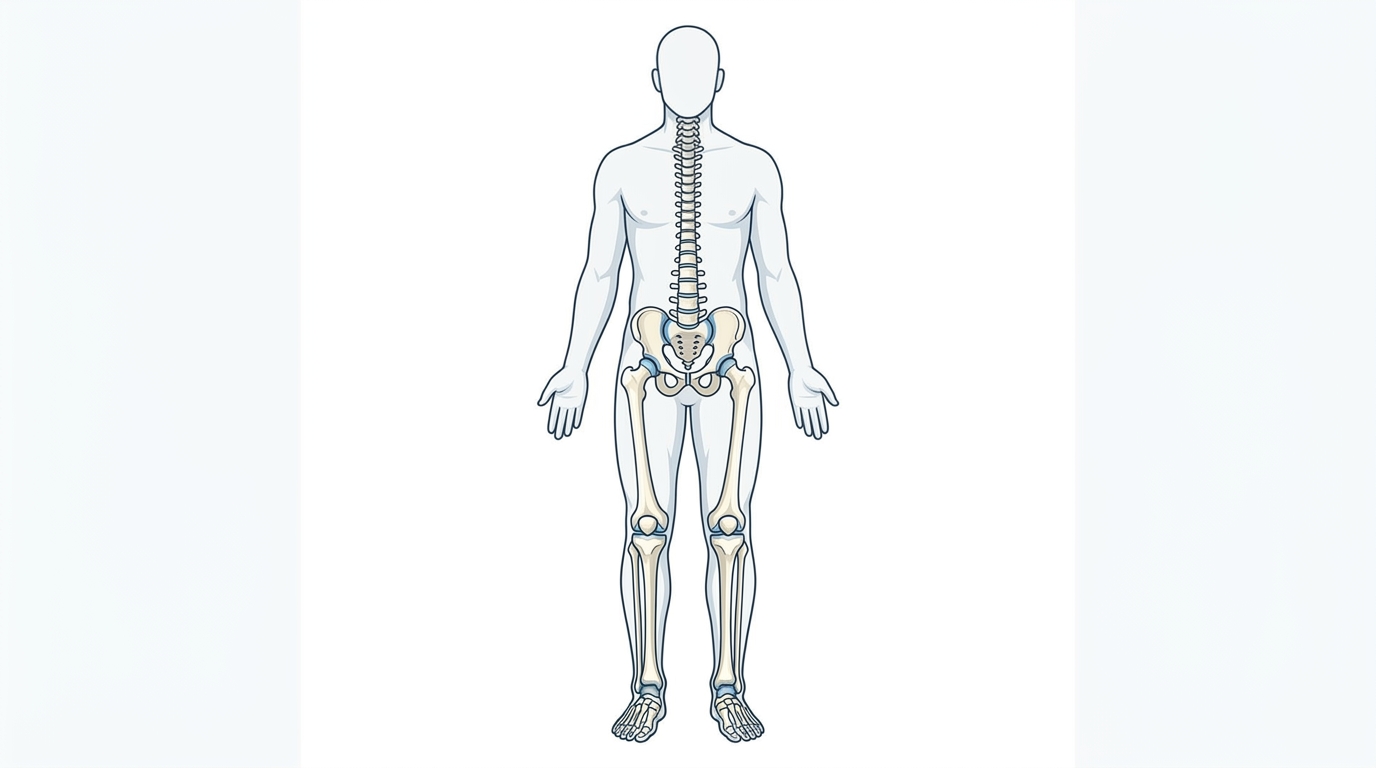
Muscles and joints do not function in isolation; they form continuous kinetic chains where mechanical stress in one region inevitably impacts surrounding structures. For instance, stiffness in the thoracic spine or hip forces the lumbar joints and surrounding musculature to compensate, producing secondary fatigue and aching.
Generalized muscle and joint pain frequently stems from a combination of postural fatigue, joint hypomobility, myofascial trigger points, repetitive occupational strain, and diminished physical conditioning. When discomfort persists, the nervous system becomes sensitized, amplifying normal mechanical feedback into widespread aching.
Effective physical therapy evaluates the whole kinetic chain—identifying key movement bottlenecks, restoring joint articulation, and retraining deep stabilizing muscles to redistribute loads evenly.
Common patterns of musculoskeletal discomfort
Diffuse muscular soreness across the neck, shoulders, mid-back, and hips that intensifies with daily fatigue.
Sluggish joint movement when standing up after prolonged sitting or upon waking in the morning.
Noticeable muscular exhaustion during routine walking, housekeeping, or climbing stairs.
Unconscious guarding and bracing that restricts natural spinal rotation and free limb movement.
Mechanical muscle and joint pain improves safely with guided exercise, but physician evaluation is necessary if you experience:
- Systemic inflammatory signs: Unexplained fever, night sweats, fatigue, or persistent morning stiffness lasting over an hour across multiple small joints.
- Unintended rapid weight loss: Progressive weight loss accompanied by non-mechanical pain that remains severe at night and is unprovoked by movement.
- Progressive bilateral limb weakness: Rapidly worsening difficulty lifting both arms or walking, accompanied by altered sensation.
Integrated kinetic chain rehabilitation protocol

At Dr Waheed Physio, clinical evaluation by Dr. Waheed Muhammad, Consultant Physical Therapist at DHQ Teaching Hospital Swabi, analyzes joint ranges, muscle tightness, and posture to create a tailored multi-stage program:
What to expect during musculoskeletal care
Most patients notice substantial reduction in joint tightness and muscular fatigue within 4 to 6 weeks of structured physiotherapy. Restoring full functional resilience and eliminating compensatory strain typically spans 8 to 12 weeks of guided physical conditioning.
Cartilage and synovial joint structures lack direct blood supply; they depend on compression and release from movement to circulate nutrient-rich synovial fluid. Prolonged stillness deprives tissues of fluid exchange, causing joint capsules and myofascial layers to temporarily stiffen.
Not at all. Imaging displays static bone architecture but cannot reveal muscle fatigue, trigger points, joint capsule tightness, or movement dysfunction. Pain is genuine and predominantly arises from soft-tissue strain and biomechanical overload that responds directly to physiotherapy.
Appropriately dosed, low-impact exercise strengthens the muscular dampers that absorb impact forces before they reach the joint surfaces. Rather than wearing out joints, guided strengthening cushions and protects them against daily wear.
Explore related joint and musculoskeletal conditions
Schedule an expert musculoskeletal evaluation
Consult Dr. Waheed Muhammad, Consultant Physical Therapist at DHQ Teaching Hospital Swabi. Private consultations held at Doctors Medical Center, Jahangira Road, Swabi (3:00 PM – 7:30 PM, Monday to Saturday).